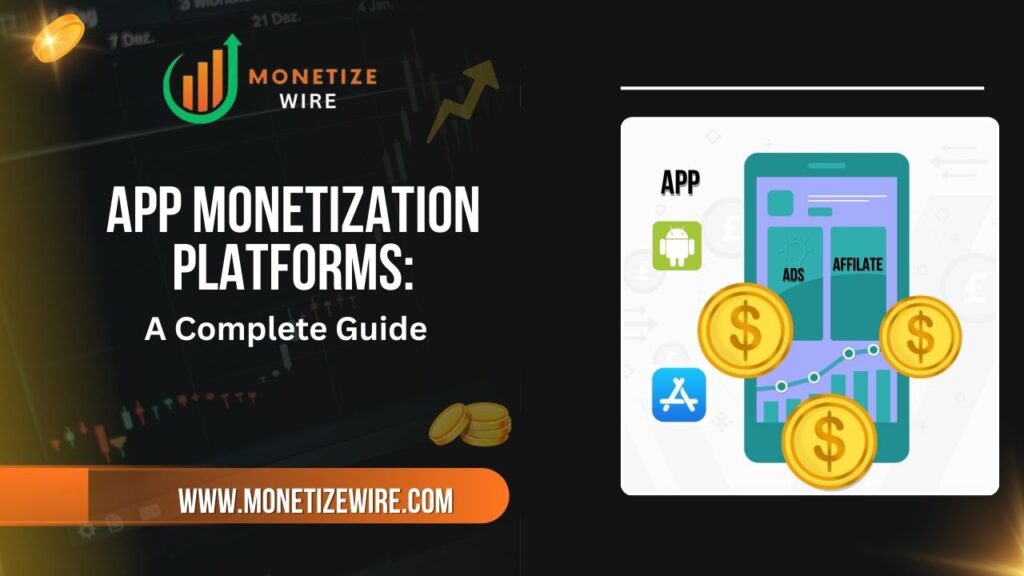
App monetization platforms play a vital role in turning mobile applications into sustainable digital businesses. With millions of apps competing for user attention, simply getting downloads is no longer enough to generate revenue. Monetization platforms help developers earn income through structured strategies such as ads, subscriptions, and in-app purchases. These platforms provide the technology, analytics, and demand sources needed to convert user engagement into profit.
Choosing the right app monetization platform directly impacts an app’s growth, user experience, and long-term revenue potential. A poorly selected platform can lead to low earnings, intrusive ads, or high user churn. On the other hand, a well-matched platform aligns monetization with user behavior, ensuring consistent revenue without compromising app performance or retention. For developers aiming to scale efficiently, understanding monetization platforms is essential.
What Is an App Monetization Platform?
An app monetization platform is a technology solution that enables app developers to earn revenue from their applications. It acts as a bridge between the app, users, advertisers, and payment systems. For beginners, it simply means a tool or service that helps make money from an app without building complex systems from scratch. These platforms support various monetization methods such as advertising, subscriptions, and digital purchases.
Behind the scenes, app monetization platforms manage ad inventory, match ads with relevant users, process payments, track user behavior, and optimize revenue performance using data analytics. Many platforms use automated algorithms to determine which ads or offers generate the highest returns. They also provide dashboards for developers to monitor earnings, user engagement, and performance metrics in real time.
Why App Monetization Is Critical for App Developers
App monetization is critical because it ensures revenue sustainability in a highly competitive app market. Development, updates, marketing, and maintenance all require ongoing investment. Without a reliable monetization strategy, even popular apps may struggle to survive long-term. Monetization platforms help developers create predictable income streams, making it easier to reinvest in product improvements and innovation.
Additionally, monetization allows developers to scale apps without relying solely on downloads. With rising user acquisition costs, earning more from existing users is often more profitable than constantly acquiring new ones. Effective monetization strategies increase lifetime value, support global expansion, and reduce dependence on one-time purchases. For startups and established developers alike, monetization is the foundation of a successful app business.
Key Factors to Consider Before Choosing an App Monetization Platform
Before selecting an app monetization platform, developers should evaluate several important factors. App type plays a major role, as gaming apps, utility apps, and content apps often perform best with different monetization approaches. Audience demographics, geographic location, and engagement levels also influence which platform will deliver optimal results. Some platforms perform better in specific regions or cater to certain user behaviors.
Another critical factor is revenue model compatibility. Developers must ensure the platform supports their preferred monetization methods, whether ads, subscriptions, or in-app purchases. Platform reliability, reporting transparency, integration ease, and customer support should also be assessed. Choosing a platform that aligns with both technical needs and business goals leads to better revenue outcomes and smoother operations.
Common App Monetization Models Explained
Several app monetization models are widely used across the industry. Advertising is one of the most popular models, allowing apps to earn revenue through impressions or clicks. In-app purchases enable users to buy digital items or features, commonly used in gaming and productivity apps. Subscriptions provide recurring revenue by offering premium content or features on a monthly or yearly basis. Affiliate offers generate income by promoting third-party products or services.
Each model has advantages and limitations. Ads are easy to implement but may affect user experience if overused. In-app purchases can be highly profitable but require strong engagement. Subscriptions offer stable revenue but demand consistent value delivery. Affiliate offers work well for niche audiences but depend on user trust. Choosing the right model depends on app goals and user behavior.
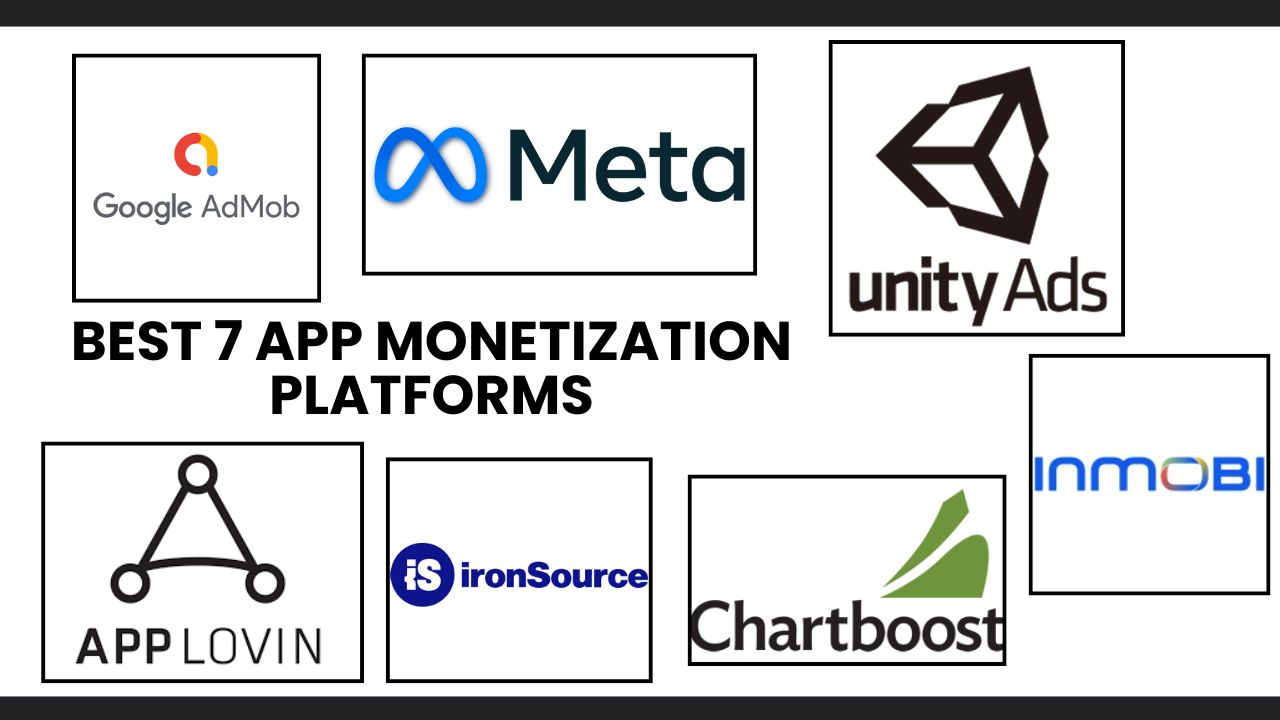
Top 7 App Monetization Platforms
#1: Google AdMob
Google AdMob is one of the most widely used app monetization platforms, trusted by developers worldwide. It allows app publishers to earn revenue by displaying high-quality ads from Google’s extensive advertiser network. AdMob supports multiple ad formats including banner ads, interstitial ads, native ads, and rewarded video ads, making it flexible for different app experiences.
AdMob works best for apps in categories such as utilities, education, lifestyle, productivity, and casual gaming. Its powerful analytics and integration with Google Firebase help developers optimize ad performance and user engagement.
Key advantages include global reach, reliable payouts, and strong fill rates. However, smaller apps may experience lower earnings initially, and strict policy compliance is required to avoid account limitations.
#2: Meta Audience Network
Meta Audience Network leverages Facebook and Instagram user data to deliver highly targeted in-app advertisements. This platform allows developers to extend Meta’s advertising power beyond social media into mobile apps, resulting in higher engagement and conversion rates.
It supports native ads, interstitial ads, rewarded video ads, and banner formats, enabling seamless integration with app design. The platform’s real strength lies in its advanced audience targeting, using demographic, behavioral, and interest-based data.
Meta Audience Network is ideal for apps with strong user engagement and diverse audiences. While revenue potential is high, approval standards can be strict, and fill rates may vary depending on region and user demographics.
#3: Unity Ads
Unity Ads is specifically designed for gaming and interactive applications, making it a top choice for mobile game developers. The platform is known for its rewarded video ads, which allow users to earn in-game rewards in exchange for watching ads.
This approach improves user experience while increasing ad engagement and retention rates. Unity Ads integrates seamlessly with Unity Engine, simplifying setup for developers.
The platform works best for casual, hyper-casual, and mid-core games. While Unity Ads delivers strong performance in gaming apps, it may not be suitable for non-gaming applications. Revenue potential depends heavily on user engagement and gameplay design.
#4: AppLovin
AppLovin is a performance-focused app monetization platform that helps developers maximize revenue through data-driven ad delivery. It offers a wide range of ad formats including interstitial, banner, native, and rewarded ads.
One of AppLovin’s key strengths is its advanced optimization tools, which use machine learning to improve ad placements and bidding strategies. The platform also provides detailed analytics to help developers understand user behavior and revenue performance.
AppLovin is suitable for both gaming and non-gaming apps with scalable traffic. However, new developers may face a learning curve due to the platform’s advanced features and optimization settings.
#5: ironSource
ironSource is a powerful monetization and mediation platform focused on helping apps scale efficiently. It combines ad mediation, user acquisition, and monetization tools into a single ecosystem.
The platform allows developers to manage multiple ad networks, optimize demand sources, and maximize revenue through real-time bidding. ironSource is particularly effective for apps looking to grow their user base while maintaining strong monetization performance.
It works well for gaming and utility apps with high user retention. While ironSource offers strong scalability, smaller apps may need time to see consistent results due to traffic requirements.
#6: Chartboost
Chartboost specializes in high-quality in-app advertising with a strong focus on user experience. It provides developers with greater control over ad placement, frequency, and creative presentation.
The platform is popular among gaming apps, especially those focused on user retention and long-term engagement. Chartboost supports interstitial and rewarded video ads that blend naturally into gameplay.
Its direct deals with advertisers help maintain ad quality and relevance. However, Chartboost is best suited for apps with medium to high traffic, as smaller apps may experience limited monetization opportunities.
#7: InMobi
InMobi is a global mobile advertising platform known for its strong presence in emerging markets. It connects app developers with premium advertisers across regions such as Asia, Africa, and Latin America.
The platform offers various ad formats including native ads, interstitials, video ads, and banners. InMobi’s strength lies in its regional targeting capabilities and high-quality demand from global brands.
It is ideal for apps targeting international or non-Western audiences. While InMobi provides excellent reach, revenue performance can vary depending on app category and geographic user distribution.
Comparison of Top App Monetization Platforms
Choosing the right app monetization platform depends on revenue potential, ad formats, and how easily the platform integrates with your app. The table below compares the top platforms based on these core factors and helps identify which app types benefit most from each solution.
| Platform | Revenue Potential | Ad Formats | Ease of Integration | Best Suited For |
|---|---|---|---|---|
| Google AdMob | High | Banner, Interstitial, Native, Rewarded | Very Easy | All app categories |
| Meta Audience Network | High | Native, Interstitial, Rewarded | Easy | Social, content apps |
| Unity Ads | Medium–High | Rewarded Video, Interstitial | Easy | Gaming apps |
| AppLovin | High | Video, Native, Interstitial | Moderate | Gaming and hybrid apps |
| ironSource | High | Rewarded, Offerwall, Video | Moderate | Games, utility apps |
| Chartboost | Medium | Interstitial, Rewarded Video | Easy | Mobile games |
| InMobi | Medium–High | Native, Video, Banner | Moderate | Emerging markets |
Each platform serves different app goals, making comparison essential for long-term monetization success.
Best App Monetization Platforms for Android Apps
Android apps benefit from flexible monetization options and broader device compatibility. Google AdMob remains the most popular choice due to seamless integration with Android Studio and strong fill rates across global markets.
It supports multiple ad formats, allowing developers to balance revenue with user experience. Meta Audience Network performs well for content-driven Android apps, especially those with social engagement.
InMobi is another strong option, particularly for apps targeting emerging markets like Asia and Africa. For gaming apps, Unity Ads and AppLovin offer higher eCPMs through rewarded video formats. Overall, Android developers gain better performance by combining multiple platforms through mediation, ensuring higher ad fill rates and reduced dependency on a single network.
Best App Monetization Platforms for iOS Apps
iOS monetization focuses heavily on user experience and strict approval standards. Google AdMob and Meta Audience Network are widely trusted and comply well with Apple’s App Store policies.
AdMob provides consistent revenue and reliable ad quality, making it suitable for most iOS app categories. Unity Ads and ironSource perform strongly for iOS gaming apps, especially with rewarded video placements that encourage voluntary engagement.
However, developers must carefully manage ad frequency to meet Apple’s user experience guidelines. iOS apps often generate higher revenue per user, but require careful optimization and regular compliance checks. Choosing high-quality ad networks with transparent policies helps maintain long-term monetization stability on iOS.
How to Maximize Revenue Using Multiple Monetization Platforms
Using multiple monetization platforms through mediation is one of the most effective ways to maximize app revenue. Mediation allows developers to connect several ad networks and automatically show the highest-paying ad for each impression. This improves fill rates and overall earnings without increasing ad volume.
Platforms like AdMob mediation and ironSource mediation simplify this process. Another critical strategy is avoiding ad fatigue by limiting repetitive ads and spacing placements naturally within the app flow.
Rewarded ads should be optional, while interstitials should appear at logical transition points. Continuous A/B testing helps identify the best performing networks, formats, and placements for sustainable revenue growth.
Common Mistakes Developers Make in App Monetization
One of the most common app monetization mistakes is poor ad placement. Ads shown too frequently or at disruptive moments often lead to uninstalls and negative reviews. Ignoring user experience in favor of short-term revenue can severely damage long-term growth.
Another major error is relying on a single monetization platform, which increases revenue risk if fill rates drop. Developers also fail when they do not analyze performance metrics such as eCPM, retention, and session length. Regular optimization, user feedback analysis, and gradual monetization scaling are essential. Successful app monetization balances revenue generation with user trust and long-term engagement.
Tips to Increase App Monetization Without Hurting User Retention
Increasing app revenue should never come at the cost of losing loyal users. One of the smartest ways to balance both goals is by managing ad frequency carefully. Showing too many ads can frustrate users, leading to higher uninstall rates. Instead, focus on displaying ads at natural breakpoints, such as between sessions or after task completion, to keep the experience smooth and interruption-free.
Reward-based engagement strategies are another effective approach. Rewarded ads, in-app bonuses, and optional premium unlocks encourage users to engage willingly rather than feeling forced. When users receive tangible value like extra features, virtual currency, or content access, they view monetization as beneficial instead of intrusive. Combining smart ad placement with user-centric rewards helps increase lifetime value while maintaining strong retention and long-term engagement.
Security, Policy Compliance, and User Trust in Monetization
User trust plays a critical role in sustainable app monetization. High-quality ads that align with platform guidelines protect users from misleading or harmful content. Low-quality or irrelevant advertisements can damage brand credibility and reduce app usage over time. Choosing reputable monetization platforms ensures that ads meet industry standards and enhance, rather than harm, the user experience.
Privacy and data security are equally important. Users are increasingly aware of how their data is collected and used. Transparent privacy policies, secure data handling, and compliance with app store regulations build confidence and trust. Platforms that follow global data protection rules and provide clear consent mechanisms help developers avoid penalties while strengthening user loyalty. A secure, compliant monetization strategy not only protects the app but also supports long-term growth and user satisfaction.
Conclusion: Right App Monetization Platform for Long-Term Growth
Selecting the right app monetization platform is a strategic decision that impacts revenue, user experience, and scalability. The best platforms offer flexible ad formats, detailed analytics, and strong compliance support, allowing developers to monetize effectively without sacrificing performance or trust. Understanding your audience behavior and app goals helps in choosing a solution that aligns with long-term business objectives.
Testing and optimization should be ongoing processes. Regularly analyzing performance metrics, experimenting with ad placements, and refining reward structures enable continuous improvement. App monetization is not a one-time setup but an evolving strategy. Developers who focus on user-first monetization, transparency, and data-driven decisions are better positioned to achieve sustainable growth, higher retention, and consistent revenue over time.
Frequently Asked Questions (FAQs)
How can app monetization increase revenue without annoying users?
Using smart ad frequency, rewarded ads, and user-friendly placements helps generate revenue while maintaining a smooth experience that does not interrupt or frustrate app users.
Why is rewarded advertising effective for app monetization?
Rewarded ads give users control and value, encouraging voluntary engagement while increasing completion rates, retention, and overall monetization performance for mobile apps.
How does privacy compliance impact app monetization success?
Privacy compliance builds user trust, avoids platform penalties, and ensures long-term sustainability by protecting user data and following app store regulations consistently.
What factors should developers consider when choosing a monetization platform?
Developers should evaluate ad quality, analytics, compliance support, ad formats, scalability, and how well the platform aligns with user experience goals.
How often should developers optimize their monetization strategy?
Monetization strategies should be reviewed regularly using performance data, user feedback, and testing to improve revenue, retention, and overall app growth continuously.