

Game blog website monetization means turning your gaming-related content into a consistent source of income. This can include earning through ads, affiliate links, sponsored content, digital products, or partnerships with gaming brands. Gaming content has high earning potential because the audience is highly engaged, passionate, and constantly searching for updates, reviews, and guides.
Gamers often spend money on games, accessories, subscriptions, and in-game items, which makes them valuable for advertisers and affiliates. A well-planned game blog can attract global traffic, increasing revenue opportunities.
This guide provides an overview of the main monetization options available to gaming bloggers and explains how strategic planning, niche selection, and website structure play a key role in long-term success.
Understanding the Gaming Blog Monetization Ecosystem
The gaming blog monetization ecosystem is built on the relationship between traffic, user engagement, and revenue generation. High traffic alone is not enough; visitors must actively engage with your content by reading, clicking, and returning to your site.
Engagement improves ad performance and increases affiliate conversion rates. Gaming blogs can use multiple monetization models such as display advertising, affiliate marketing, sponsored reviews, memberships, and selling digital products like guides or mods.
Some methods generate short-term profits, such as sponsored posts, while others like SEO-driven affiliate content build long-term income. Successful bloggers often combine multiple revenue streams to reduce risk and create stable earnings over time.
Choosing the Right Gaming Niche for Better Monetization
Selecting the right gaming niche directly impacts your earning potential. Broad categories like PC gaming, mobile gaming, and console gaming attract large audiences but face high competition.
Narrowing your focus to esports, game walkthroughs, reviews, mods, or gaming news can help you stand out. Micro-niches such as specific game titles, indie games, retro gaming, or gaming hardware reviews often convert better because they target a more specific audience with clear intent.
For example, a blog focused on mobile game tips may perform well with app-related affiliate offers. Choosing a niche that balances search demand, audience interest, and monetization potential is essential for sustainable growth.
Building a Game Blog Website That Supports Monetization
A game blog website must be designed to support monetization from the beginning. A clear website structure helps users easily navigate between categories, reviews, and guides, increasing time spent on the site.
Strategic placement of ads, affiliate links, and call-to-action elements improves conversion rates without harming user experience. Performance optimization is crucial, as gamers expect fast-loading pages and smooth navigation. Slow websites reduce engagement and revenue potential.
Mobile responsiveness is equally important because a large portion of gamers browse content on smartphones and tablets. A mobile-friendly design ensures better rankings in search engines and provides a seamless experience across all devices, boosting overall monetization results.
SEO Fundamentals for Game Blog Website Monetize
SEO is the foundation of a profitable game blog because organic traffic converts better than paid traffic. Keyword research for gaming blogs should focus on long-tail and intent-driven keywords such as game reviews, best gaming accessories, or platform comparisons.
These keywords usually have lower competition and higher monetization potential. Understanding search intent is equally important. Informational intent targets guides and tips, while transactional intent targets users ready to buy games, consoles, or accessories.
On-page SEO best practices include optimizing titles, meta descriptions, headings, internal links, and image alt text. Fast page loading, mobile optimization, and clean URL structures also improve rankings. When SEO is done correctly, your game blog attracts consistent traffic that supports ads, affiliate links, and sponsored content monetization.
Content Strategy That Drives Monetization
A strong content strategy balances traffic growth and revenue generation. Informational gaming content such as tutorials, walkthroughs, and updates builds trust and attracts a wide audience. Transactional content like buying guides, reviews, and comparisons converts visitors into customers.
Evergreen content ensures long-term traffic by covering topics that remain relevant, such as best gaming setups or beginner guides. Trending game topics bring short-term traffic spikes and are useful for brand exposure. Combining both types keeps traffic stable and scalable.
Content types that attract advertisers include high-traffic guides, listicles, product reviews, and comparison articles. Advertisers prefer content with engaged readers and clear niches. A planned content calendar aligned with monetization goals increases revenue potential over time.
Display Ads as a Core Monetization Method
Display ads are one of the easiest ways to monetize a game blog, especially for beginners. Ads work by showing banners or native ads to visitors, generating revenue through impressions or clicks. Gaming blogs typically perform well with display ads due to high session time and repeat visits.
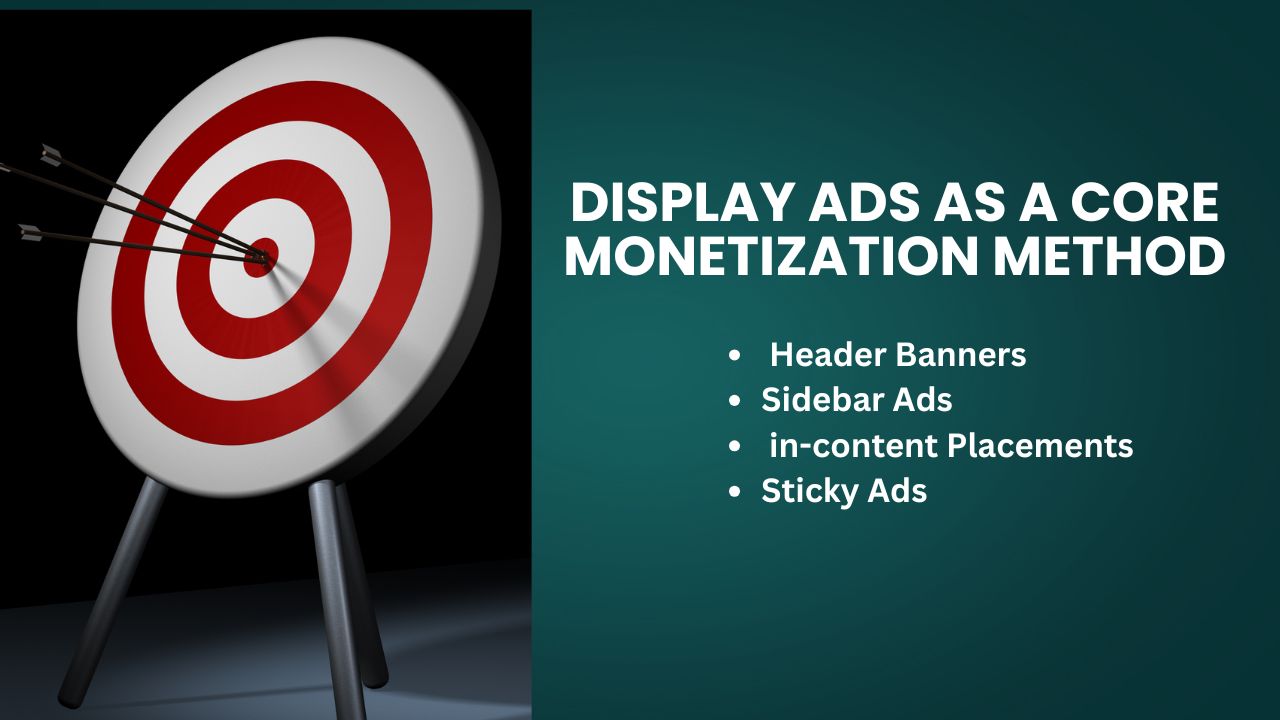
Best ad placements include header banners, sidebar ads, in-content placements, and sticky footer ads. However, placement should never disrupt the user experience. Overloading pages with ads can reduce engagement and harm SEO.
Balancing revenue and user experience is essential. Using responsive ad formats and limiting ad density improves performance. As traffic grows, premium ad networks offer higher earnings. Display ads provide consistent passive income when managed strategically.
Affiliate Marketing for Gaming Blogs
Affiliate marketing is a powerful monetization method for gaming blogs. Bloggers earn commissions by promoting games, consoles, accessories, and digital subscriptions. Popular gaming affiliate networks include platforms offering game keys, hardware partnerships, and digital marketplaces.
Choosing trusted affiliate programs ensures higher conversions and long-term credibility. Writing high-converting affiliate content requires understanding audience needs and purchase intent. Product reviews, buying guides, and comparison articles perform best. Content should focus on benefits, real use cases, and honest pros and cons.
Strategic placement of affiliate links within relevant content increases click-through rates. Transparency and trust are critical in gaming niches. When done correctly, affiliate marketing can generate higher revenue than display ads with fewer visitors.
Monetizing Game Reviews and Comparisons
Game reviews and comparison posts attract high-intent traffic that is ready to convert. An honest review structure builds trust by covering gameplay, graphics, performance, pricing, and user experience.
Avoid overly promotional language, as gamers value authenticity. Comparison posts work well for buyer-intent keywords like best console for gaming or top accessories for PC gaming. These articles help users make decisions and naturally support affiliate links.
Conversion-focused review formatting improves monetization. Clear headings, summary boxes, pros and cons sections, and call-to-action links guide readers toward purchases. Internal linking between reviews and guides boosts SEO and engagement. Well-optimized reviews consistently generate revenue while strengthening your blog’s authority in the gaming niche.
Sponsored Content and Brand Collaborations
Sponsored content is one of the most profitable monetization methods for established game blogs. By collaborating with gaming brands, hardware companies, software tools, or game developers, bloggers can earn consistent income while providing relevant content to their audience. Sponsored reviews, game launches, promotional articles, and feature placements are common formats.
Transparency is critical—clearly disclosing sponsorships builds trust and improves long-term credibility. Pricing sponsored content should be based on website traffic, audience engagement, niche authority, and content format.
Blogs with loyal gaming communities can charge higher rates due to better conversion potential. Creating authentic, value-driven sponsored posts rather than overly promotional content helps maintain reader trust and ensures repeat brand partnerships.
Monetizing Through Digital Products
Selling digital products allows game bloggers to generate scalable income without relying on ads or sponsorships. Popular digital products include game guides, walkthroughs, strategy ebooks, cheat sheets, and level-completion tips. Downloadable resources such as character builds, mod lists, or performance optimization guides offer real value to gamers seeking faster progress.
Premium content should focus on solving specific problems or improving gameplay experience. Pricing should reflect content depth, exclusivity, and demand. Hosting digital products directly on your website increases brand authority and keeps profit margins high.
Regular updates and expansions to digital products also encourage repeat purchases and customer loyalty.
Memberships and Subscription Models
Memberships and subscriptions provide recurring revenue while building a strong gaming community. Bloggers can offer exclusive content such as early-access game reviews, advanced tutorials, private forums, or members-only live sessions. Community-based monetization strengthens engagement by creating a sense of belonging among subscribers.
Retention strategies include consistent content updates, interactive discussions, member feedback integration, and loyalty rewards. Offering tiered subscription plans allows gamers to choose based on their interest level and budget.
A successful membership model focuses on delivering ongoing value rather than one-time benefits. Strong moderation, clear content schedules, and transparent communication are key to long-term subscriber retention.
Video and Multimedia Monetization Opportunities
Video content significantly expands monetization potential for game blogs. Integrating YouTube, Twitch, and other streaming platforms helps attract visual-focused gamers. Gameplay videos, tutorials, reviews, walkthroughs, and live streams can be monetized through ads, sponsorships, affiliate links, and fan donations.
Cross-platform traffic monetization ensures content reaches wider audiences while driving visitors back to the blog. Embedding videos within blog posts improves engagement time and SEO performance.
Repurposing long-form videos into short clips for social platforms increases discoverability. A consistent content schedule and strong branding across platforms improve audience trust and revenue stability over time.
Email Marketing for Game Blog Revenue Growth
Email marketing remains one of the most effective revenue channels for game blogs. Building an email list through giveaways, free guides, or exclusive updates allows direct communication with gamers.
Monetizing newsletters can include affiliate promotions, sponsored email placements, product launches, and premium content offers. The key is balancing promotional emails with value-based content such as gaming tips, news updates, and insider insights. Over-promotional emails reduce engagement and increase unsubscribes.
Segmenting email lists based on gaming interests improves click-through rates and conversions. Consistent, relevant communication builds long-term trust and maximizes lifetime value from subscribers.
Social Media and Community Monetization
Social media and community platforms play a powerful role in game blog monetization when used strategically. Platforms like Discord, Reddit, and niche gaming forums allow bloggers to build direct relationships with their audience.
A well-managed Discord server can be monetized through premium memberships, exclusive content access, sponsored game launches, or affiliate links shared within trusted channels. Reddit and gaming forums help drive highly targeted traffic when content is shared authentically rather than promoted aggressively.
Social traffic monetization works best through soft-selling methods such as content recommendations, giveaways, early access perks, and community-only deals. Building a loyal gaming community increases trust, repeat visits, and long-term monetization potential, turning casual readers into engaged supporters of your gaming brand.
Optimizing Conversion Rates on a Game Blog
Optimizing conversion rates is essential to maximize earnings from existing traffic on a game blog. Strategic call-to-action placement, such as within content, after reviews, or near comparison tables, helps guide users toward monetization actions without disrupting the user experience.
Trust signals are especially important for gaming audiences, including transparent reviews, honest pros and cons, clear affiliate disclosures, and real gameplay insights. These elements build credibility and improve user confidence.
A/B testing monetization elements like button text, ad placement, affiliate banners, and pricing layouts allows bloggers to identify what performs best. Small improvements in conversion rates can significantly increase overall revenue without requiring additional traffic growth.
Analytics and Performance Tracking for Monetization
Analytics and performance tracking are critical for making informed monetization decisions. Measuring revenue per visitor helps determine which content types generate the highest earnings and which traffic sources deliver the best return.
Tracking content performance using analytics tools allows bloggers to analyze page views, session duration, click-through rates, and conversion data.Understanding how users interact with monetized pages enables smarter optimization. Data-driven monetization decisions reduce guesswork and improve long-term profitability.
By regularly reviewing performance metrics, game bloggers can identify underperforming pages, improve successful formats, and scale high-revenue content. Consistent analysis ensures monetization strategies align with audience behavior and market trends.
Common Mistakes in Game Blog Website Monetize
Many game bloggers struggle with monetization due to avoidable mistakes. Overloading ads is one of the most common issues, leading to poor user experience, slow loading times, and reduced trust. Low-quality affiliate promotions also harm credibility, especially when products are irrelevant or poorly researched.
Gamers value honesty, and pushing unreliable offers can permanently damage audience loyalty. Ignoring audience trust is another major mistake, as aggressive monetization without transparency drives users away.
Successful game blog monetization focuses on balance, relevance, and long-term relationships. Avoiding these mistakes helps create a sustainable income model while maintaining a positive brand image within the gaming community.
Scaling a Game Blog Into a Profitable Platform
Scaling a game blog into a profitable platform requires a shift from solo content creation to systematic growth. Expanding content and traffic sources through SEO, social media, email marketing, and video platforms increases reach and revenue opportunities.
Hiring writers and contributors allows for consistent publishing and coverage of diverse gaming niches, including reviews, guides, and news. Automating monetization processes such as affiliate link management, ad optimization, and email funnels saves time and improves efficiency.
As the blog grows, structured workflows and performance tracking become essential. With the right systems in place, a game blog can evolve into a scalable digital business with long-term earning potential.
Conclusion: Building a Sustainable Game Blog Monetization Strategy
Building a sustainable game blog monetization strategy is not about quick wins or overnight success. The key takeaway is to focus on long-term value, quality content, and audience trust. A successful game blog combines multiple monetization methods such as ads, affiliate marketing, sponsored content, and digital products instead of relying on a single income source.
Adopting a long-term mindset is essential. Search engine rankings, loyal readers, and stable income take time to grow. Consistency in publishing, regular content updates, and adapting to industry trends help your blog stay relevant in the competitive gaming niche.
Most importantly, view your blog as a growing digital asset. Track performance, improve user experience, and reinvest earnings into better tools and content. With patience, learning, and continuous optimization, your game blog can evolve into a reliable and scalable source of income over time.
Frequently Asked Questions (FAQs)
How long does it take to monetize a game blog successfully?
Most game blogs take six to twelve months to show consistent income, depending on content quality, SEO efforts, niche competition, and traffic growth strategies used by the blogger.
Which monetization method works best for game blogs?
Affiliate marketing and display ads work best initially, while sponsored posts and digital products become effective once the blog gains authority and a loyal gaming audience.
Do I need high traffic to start monetizing my game blog?
No, even low-traffic blogs can earn through targeted affiliate offers, niche gaming products, and email marketing focused on a specific gaming audience.
How important is SEO for game blog monetization?
SEO is crucial because organic traffic drives long-term, cost-free visitors, improves content visibility, and increases earning potential through higher engagement and conversions.
Can beginners build a profitable game blog?
Yes, beginners can succeed by choosing a clear niche, publishing consistently, learning SEO basics, and focusing on user value rather than short-term monetization tactics.